
Local
Heating a 100-Year-Old Brooklyn Brownstone Efficiently
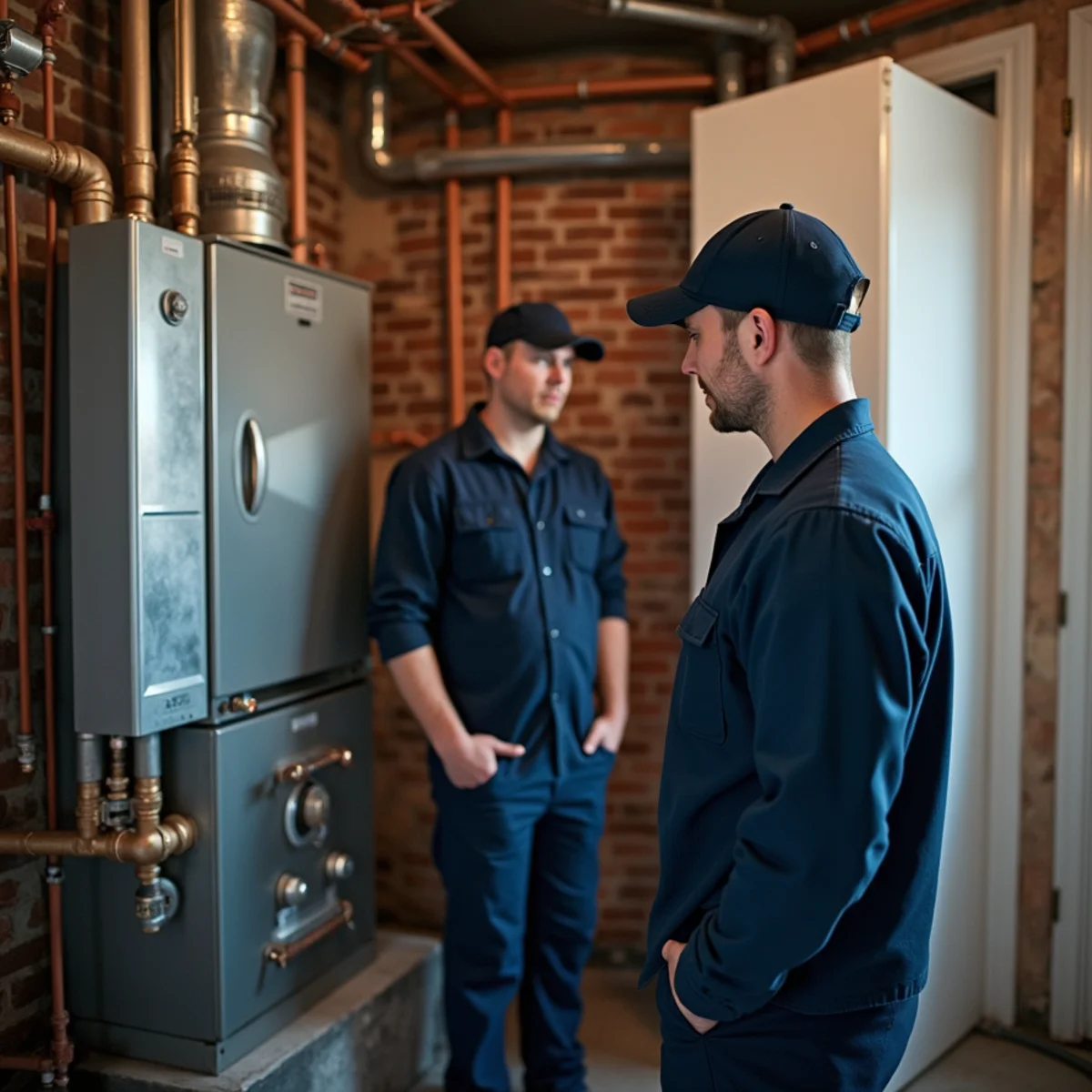
Brooklyn brownstones are genuinely beautiful — high ceilings, original moldings, deep parlor floors — and every one of those features makes efficient heating harder than in a modern home built with insulation standards nobody had heard of in 1899. We work on brownstone heating constantly, and the good news is there is a lot of room for improvement without compromising the building's character.
Here is how we approach heating efficiency in these buildings, from quick wins to bigger investments worth considering.
Why Brownstones Are Uniquely Hard to Heat
- Tall ceilings (often 10-12 feet on parlor floors) mean more volume of air to heat per room than a modern home.
- Original single-pane windows, even when well-maintained, lose heat far faster than modern insulated glass.
- Party walls shared with neighboring buildings can help or hurt depending on whether the neighboring unit is heated.
- Original steam or early hydronic boiler systems are often decades old and were not designed with today's efficiency standards in mind.
- Multiple floors with a single heating zone often mean upper floors run cold while lower floors overheat.
Quick Wins That Do Not Touch the Building's Character
- Install interior storm windows or heavy insulated curtains — reversible, inexpensive, and genuinely effective against heat loss through original glass.
- Seal drafts around window and door frames with weatherstripping, which is invisible once installed.
- Bleed radiators each fall to remove trapped air and restore full heating efficiency.
- Add radiator reflectors behind units on exterior walls to redirect heat into the room instead of the wall.
- Have your boiler professionally tuned annually — a poorly tuned boiler in an inefficient building compounds the problem twice over.
The Zoning Problem: Uneven Heat Floor to Floor
One of the most common brownstone complaints we hear is a boiling parlor floor and a freezing top floor. In single-zone steam systems, this is largely a physics problem — heat rises and travels unevenly through original piping — but there are real solutions: adjusting radiator valves floor by floor, upgrading to thermostatic radiator valves (TRVs) that let each room self-regulate, or in some cases converting sections to a zoned hydronic system.
When to Consider a Bigger Upgrade
If your boiler is past 25-30 years old, if repairs are becoming frequent, or if you are already planning a larger renovation, it is worth evaluating a more significant efficiency investment — a modern condensing boiler, or supplementing with ductless-mini-split heat pumps for specific rooms or floors that are chronically hard to heat evenly.
| Upgrade | Investment Level | Best For |
|---|---|---|
| Interior storm windows | Low | Any brownstone with original windows |
| Thermostatic radiator valves | Low-moderate | Uneven heat between floors |
| Boiler tune-up / repair | Low-moderate | Systems under 20-25 years old |
| High-efficiency boiler replacement | Significant | Aging systems with frequent repairs |
| Ductless mini-split supplement | Moderate-significant | Specific hard-to-heat rooms or additions |
Working With, Not Against, Landmark Rules
Many Brooklyn brownstones sit within historic districts, which can restrict exterior changes, including visible window replacements or exterior condenser placement. This is exactly why interior-focused solutions — storm windows, TRVs, and interior equipment upgrades — tend to be the most practical path, since they typically avoid landmarks review altogether. Always confirm with your local historic district guidelines before planning exterior work.
Insulation Without Gutting the Building
Full wall insulation is invasive and often impractical in a brownstone with original plaster you want to preserve. Targeted insulation — attic and basement/cellar spaces, which are usually accessible without disturbing finished rooms — delivers a meaningful chunk of the efficiency benefit with far less disruption and cost.
A Realistic Maintenance Rhythm for Older Systems
Brownstone heating systems reward consistent, annual attention far more than newer equipment does, simply because there is more that can drift out of adjustment over a century of use. An annual fall boiler-services visit, paired with radiator bleeding and a periodic check of pipe insulation, keeps an older system running efficiently far longer than most owners expect.
Working With a Contractor Who Knows Older Buildings
Not every HVAC contractor has real experience with century-old steam systems, original piping layouts, and the specific quirks of brownstone construction. A technician who mostly works on modern hydronic systems in newer construction may misdiagnose a pitch issue as a boiler problem, or recommend a fix that does not account for how these older systems actually behave.
When hiring for brownstone work, it is worth asking directly about experience with pre-war steam systems specifically, not just general HVAC experience. The right contractor should be able to explain how your building's original system was designed to work before recommending any changes to it — that context matters more here than in a standard modern installation.
It is also worth asking how a contractor documents their work in an older building, since future service visits go faster when there is a clear record of what has already been adjusted, repaired, or upgraded — something that matters even more in a building that has likely passed through several owners over the decades.
Brownstones deserve heating solutions that respect their character while actually solving the comfort problem. J&S HVAC Expert Inc. works on Brooklyn brownstone heating regularly and can walk your building floor by floor to identify the highest-impact, lowest-disruption fixes. Call (831) 461-3437 to schedule an assessment before the next heating season.
Have a heating or cooling problem in the NYC metro?
J&S HVAC Expert is a licensed, bilingual HVAC contractor serving Queens and the surrounding area 24/7. Call for fast, honest service.
(831) 461-3437