
Prevention
How to Prevent Frozen Pipes & Boiler Failures in NYC Winters
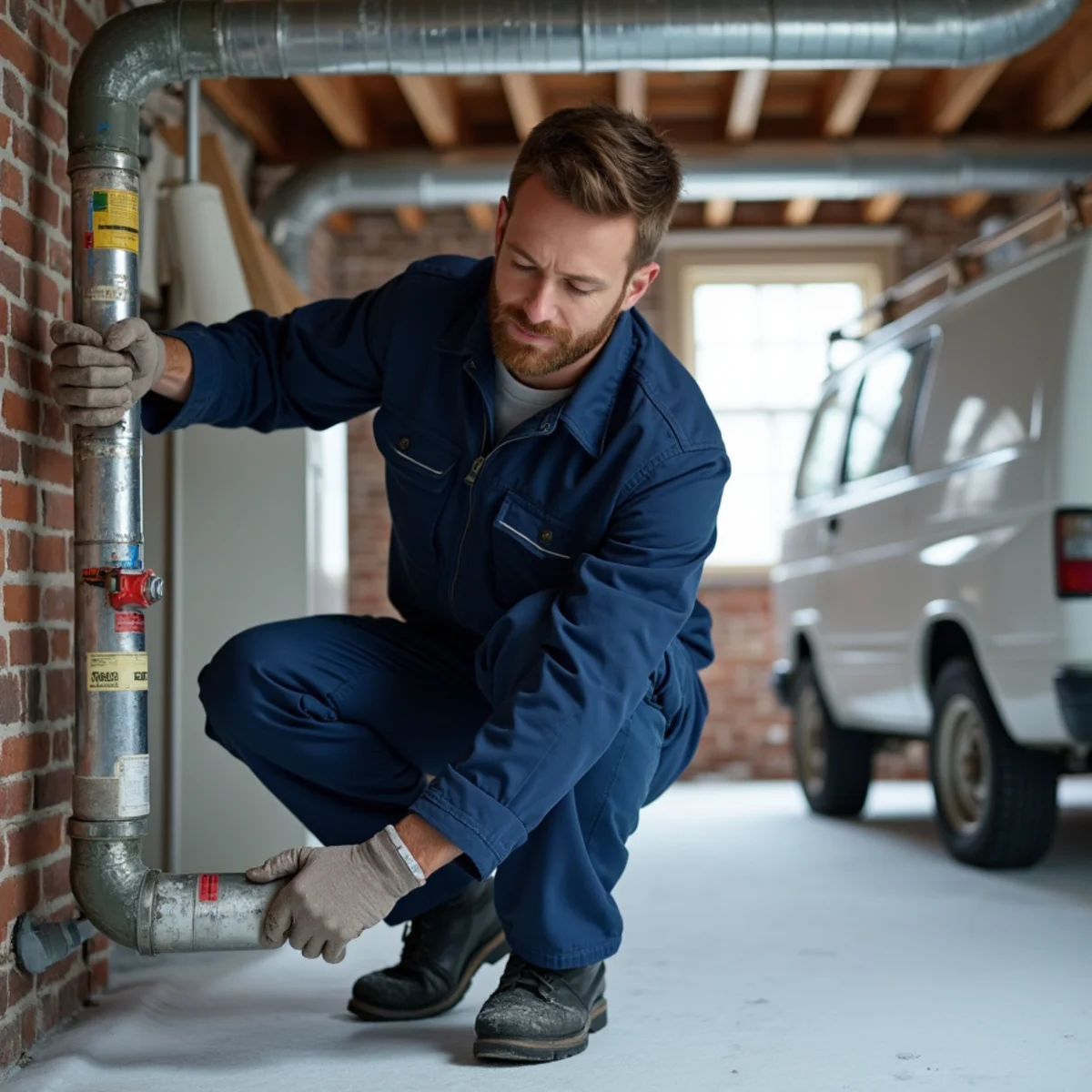
Frozen pipes and boiler failures are closely related problems, even though they sound separate. A struggling or failed boiler stops delivering heat, unheated areas drop below freezing, and pipes in those areas — basements, exterior walls, crawl spaces — are suddenly at risk. Prevent the boiler issue, and you have gone a long way toward preventing the pipe issue too.
We see a predictable spike in both frozen-pipe and boiler-emergency calls across the Bronx and the wider metro during the coldest stretches of winter, and nearly all of it is preventable with steps taken well before the deep freeze hits.
Why Boiler Reliability Is Your First Line of Defense
A consistently running heating system keeps ambient building temperature above freezing even in areas without direct radiator coverage, like basements and utility spaces. That makes boiler reliability the foundation of pipe-freeze prevention — an unreliable or aging boiler puts far more of the building at risk than most owners realize.
Boiler Prevention Checklist
- Schedule a professional fall inspection to catch worn components before peak winter demand.
- Check the boiler's pressure and water level regularly through the season, not just once in fall.
- Keep the boiler room clear of stored items that could obstruct airflow or access for service.
- Address any unusual noises, leaks, or performance changes immediately rather than waiting.
- Confirm your emergency contact for boiler-services is current and easily accessible to building staff or household members.
Direct Pipe Protection Steps
- Insulate exposed pipes in unheated or marginally heated areas — basements, crawl spaces, garages, and attics.
- Seal air leaks near where pipes enter the building through exterior walls, which is often where cold air infiltrates directly onto pipes.
- Disconnect and drain exterior hose bibs before the first freeze.
- During extreme cold snaps, let faucets served by exposed or vulnerable pipes drip slightly to keep water moving.
- Open cabinet doors under sinks on exterior walls to let warm building air circulate around the pipes.
| Location | Why It's High Risk |
|---|---|
| Basement/cellar near exterior walls | Often minimally heated, close to cold ground-level walls |
| Crawl spaces | Frequently unheated and poorly insulated |
| Attic pipe runs | Cold air pools at the top of the building |
| Exterior wall cavities | Direct exposure to outdoor temperature through thin insulation |
| Garages with plumbing | Rarely heated at all, high freeze risk |
What Happens If a Pipe Does Burst
- Shut off the main water supply immediately to limit damage.
- Turn off electricity to any affected areas if water is near outlets or fixtures.
- Document the damage with photos for insurance purposes before cleanup begins.
- Call a licensed plumber for the pipe repair and, if the failure was heat-related, have your heating system inspected too — the two issues are often connected.
Vacant or Under-Renovation Properties Need Extra Attention
Properties that are vacant, between tenants, or mid-renovation during winter are at especially high risk, since there is often no one present to notice a heating failure before pipes freeze. If you own a property that will sit unoccupied through part of the winter, keep the heat running at a minimum of about 55°F and arrange for someone to check on it periodically.
Why This Matters More in Older Bronx Buildings
Older buildings across the Bronx often have piping runs that were not designed with modern insulation standards, plus boiler systems that may be decades past their original efficiency. This combination makes proactive prevention especially valuable here — a fall boiler tune-up paired with basic pipe insulation addresses both major risk factors at once.
Consider a Smart Monitoring Add-On
For homeowners who travel frequently or manage a property they do not visit daily, a smart temperature or water-leak sensor can provide real peace of mind. These devices alert you by phone the moment indoor temperature drops toward freezing or the moment moisture is detected near vulnerable piping, giving you time to act — calling a neighbor, a property manager, or us directly — before a minor issue becomes a major one.
This is not a replacement for a reliable, well-maintained boiler, but it is a low-cost layer of protection worth considering for vacation homes, rental properties, or any home that regularly sits unoccupied during the coldest months.
Insurance Considerations Worth Knowing
Many homeowner's insurance policies have specific requirements around maintaining adequate heat during winter months, and a claim related to frozen or burst pipes can be denied if the policyholder failed to maintain reasonable heat or left a property unattended without proper precautions. Review your policy's specific language, and keep records of your maintenance visits — they can matter significantly if you ever need to file a claim.
A simple habit that helps here: save your invoices and inspection reports from every boiler-services visit in one folder, physical or digital. If you ever do need to demonstrate reasonable maintenance to an insurer, having that documentation ready saves significant time and hassle during an already stressful situation.
Preventing frozen pipes starts with a reliable heating system, and preventing boiler failure starts with a fall inspection you cannot afford to skip. J&S HVAC Expert Inc. offers boiler-services tune-ups and 24/7 emergency-boiler-repair across the Bronx and NYC metro. Call (831) 461-3437 before the next deep freeze puts both your pipes and your boiler at risk.
Have a heating or cooling problem in the NYC metro?
J&S HVAC Expert is a licensed, bilingual HVAC contractor serving Queens and the surrounding area 24/7. Call for fast, honest service.
(831) 461-3437