
Prevention
10 Ways to Extend the Life of Your NYC Boiler
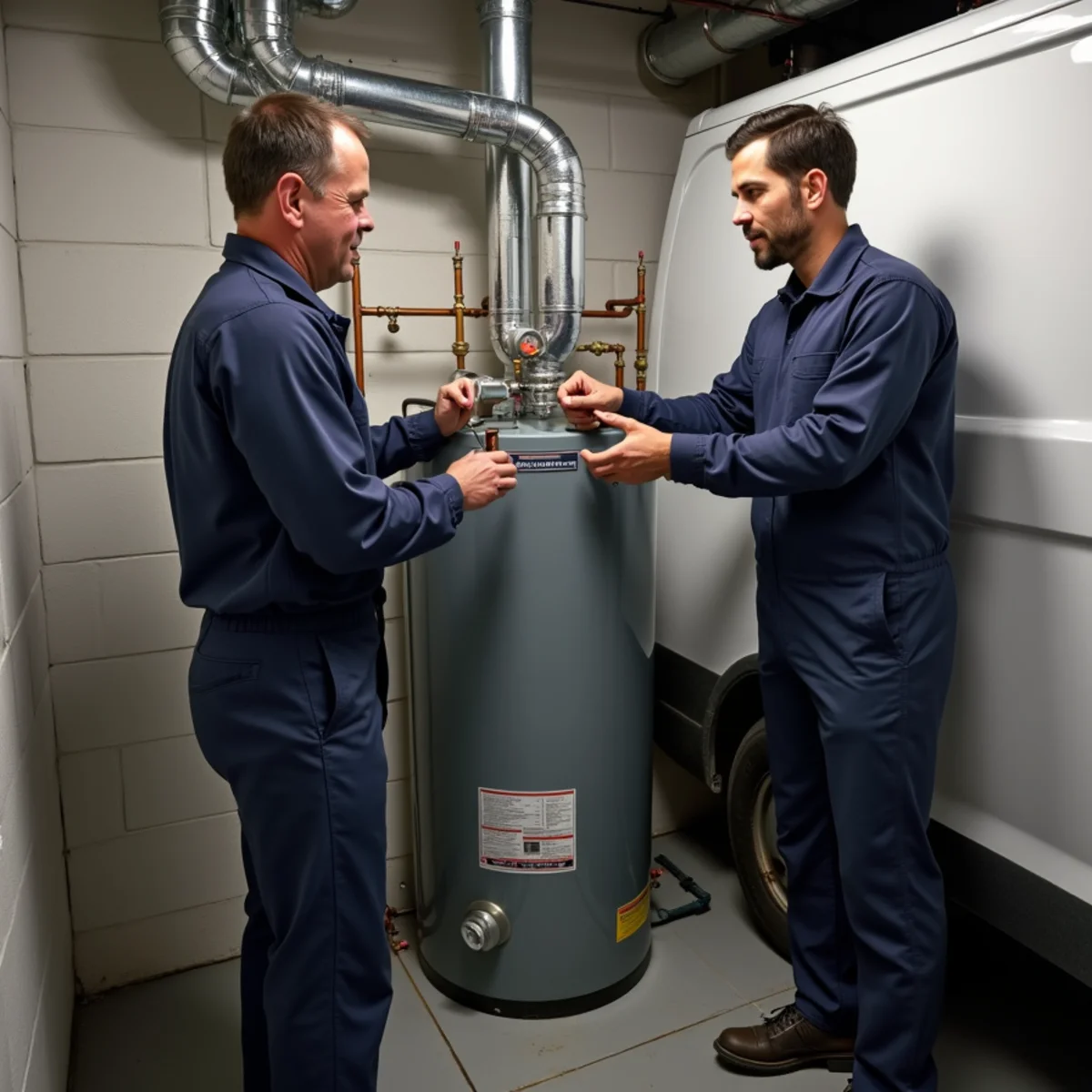
We regularly service boilers in Yonkers and across the metro that are pushing 30, even 40 years old and still running reliably, right alongside boilers half that age that are already failing. The difference almost never comes down to luck — it comes down to a handful of consistent habits over the years.
If you want to get the maximum useful life out of your boiler — and delay the significant cost of replacement as long as reasonably possible — here are the ten things that actually move the needle.
1. Schedule Annual Professional Maintenance
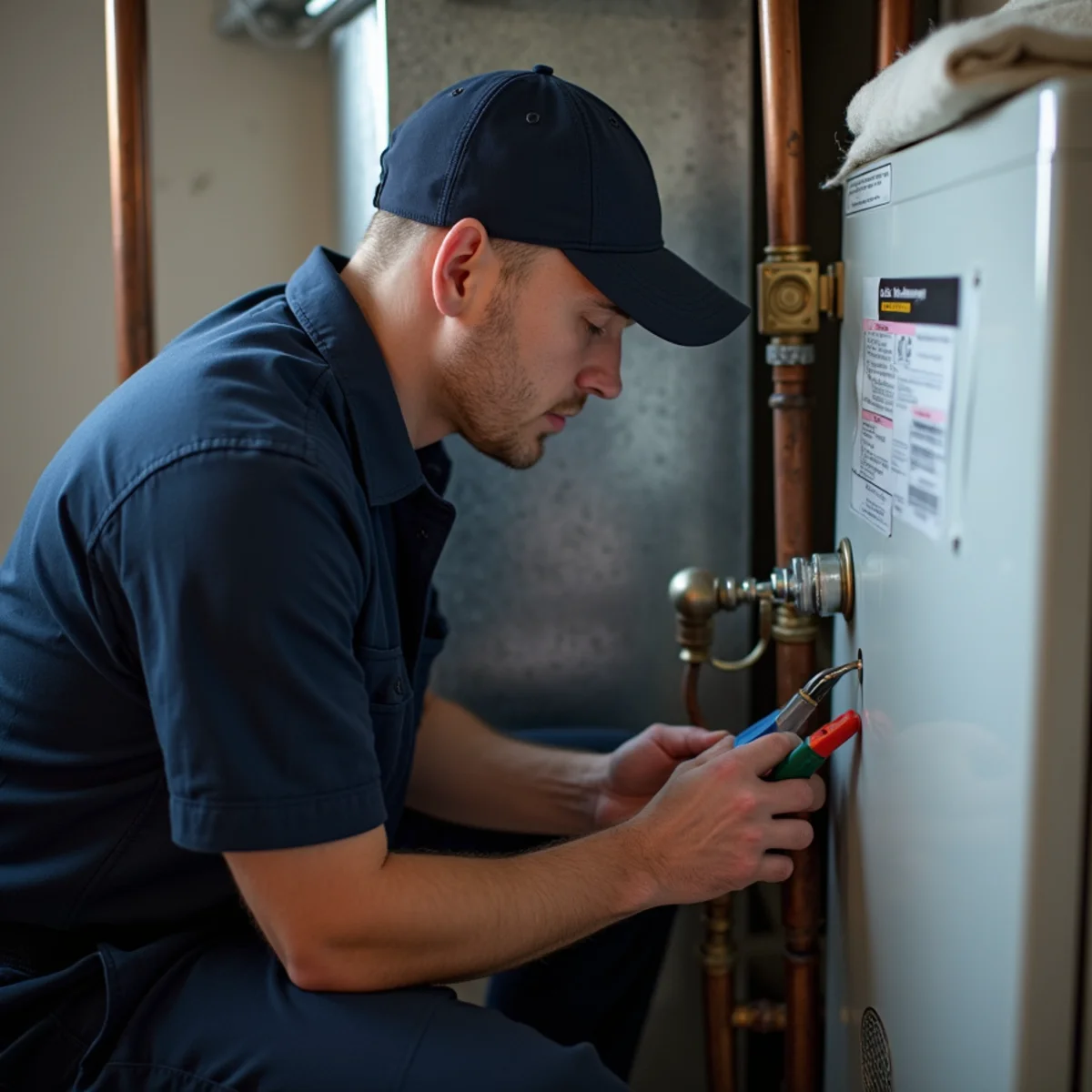
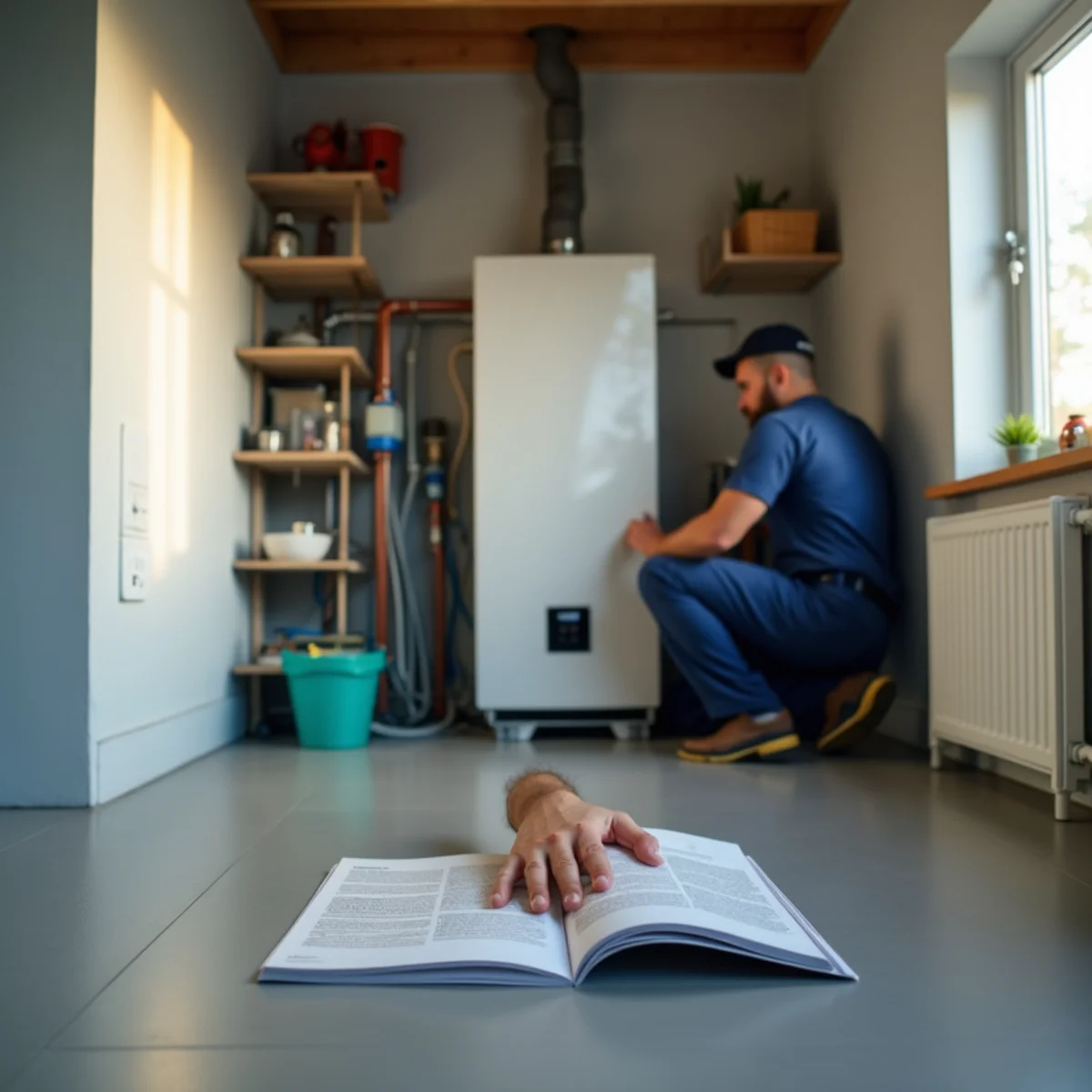
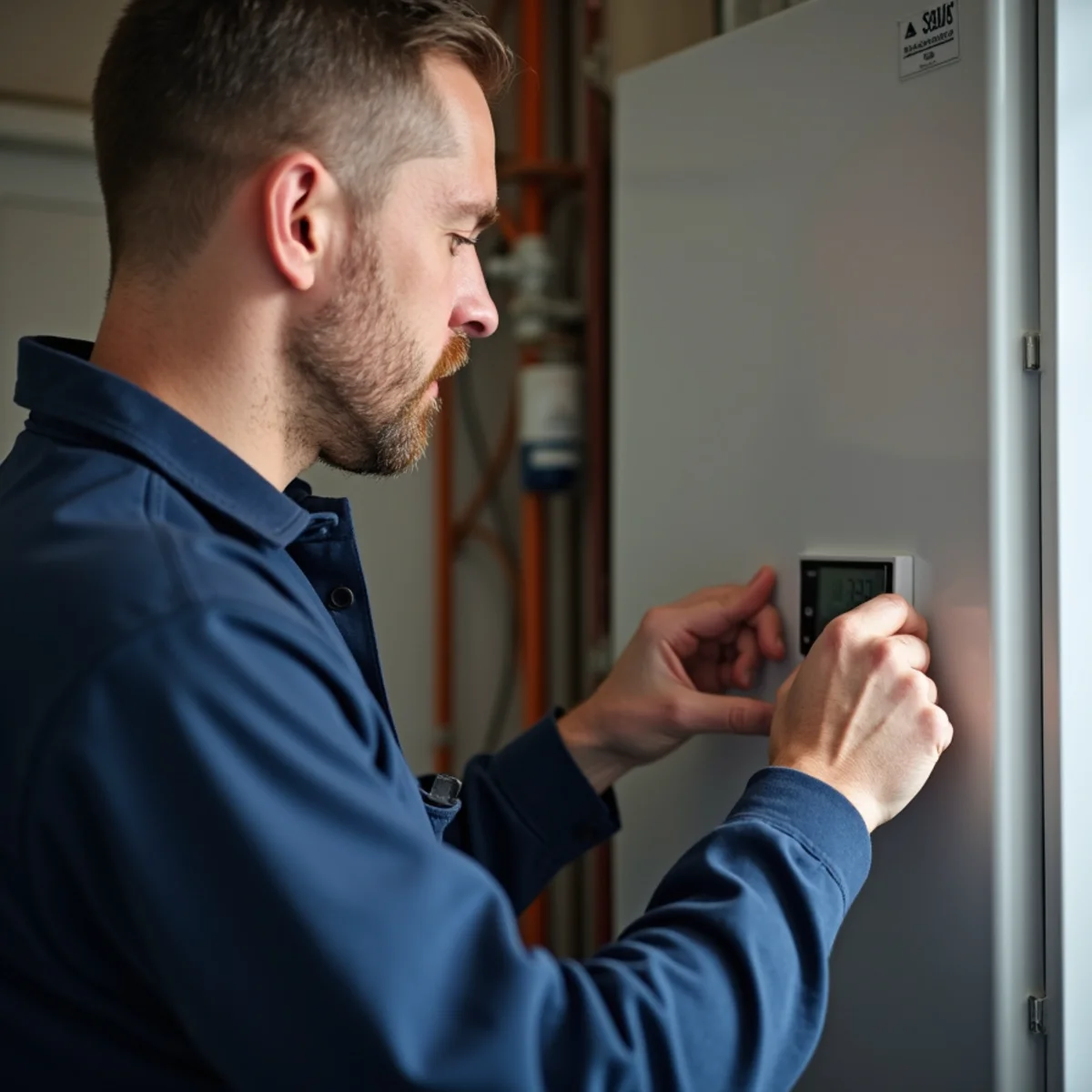
This is the single highest-impact habit on this list. An annual boiler-services inspection catches worn components, calibration drift, and early corrosion before they become failures, and it is dramatically cheaper than the repairs — or replacement — that follow neglect.
2. Monitor Water Pressure and Level Regularly
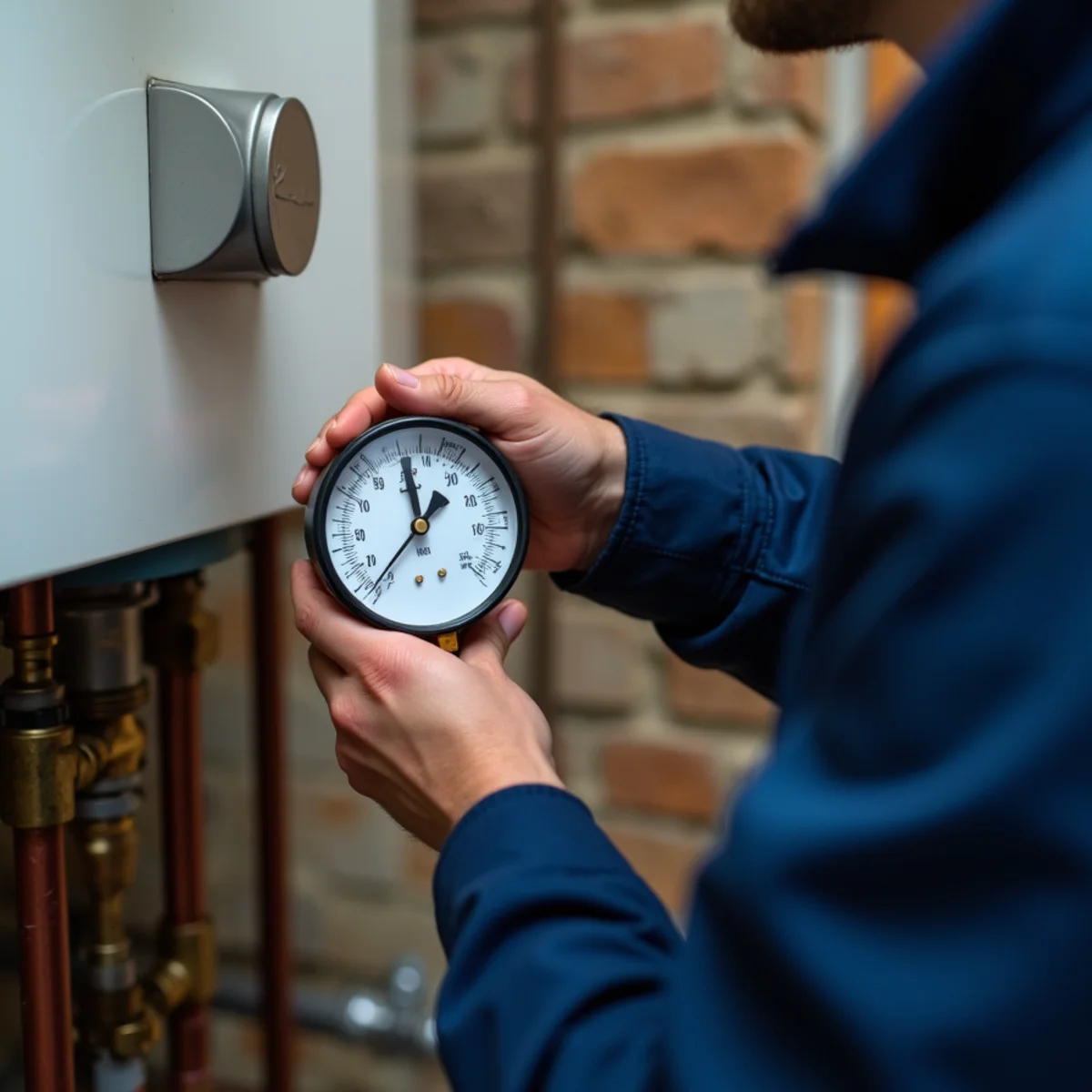
Low water pressure is one of the most common causes of both inefficiency and premature component failure in hydronic boilers. Check your pressure gauge periodically through the heating season and know your system's correct operating range so you notice a problem early.
3. Bleed Radiators Every Fall
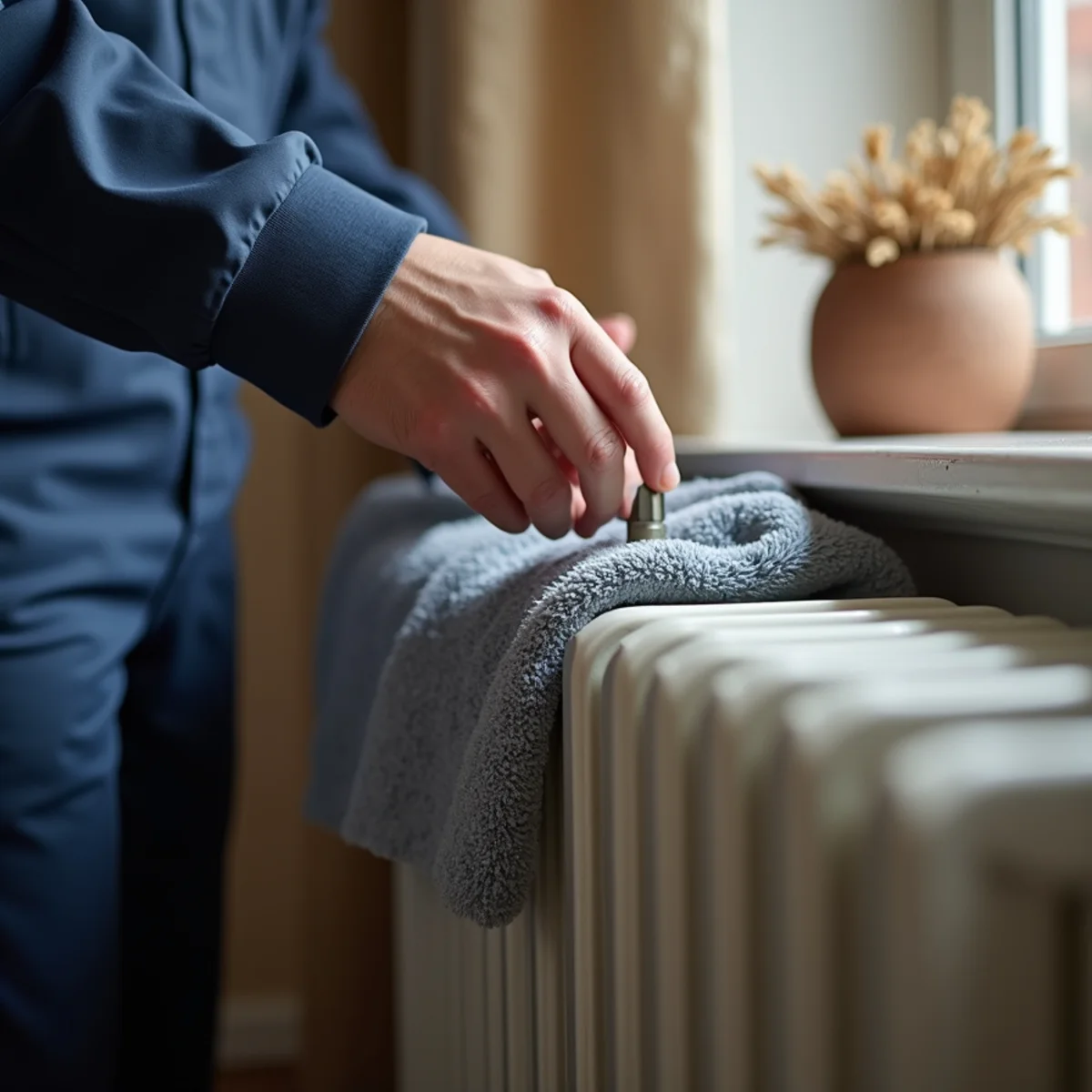
Trapped air in radiators forces the boiler to work harder to deliver the same amount of heat, adding unnecessary strain over years of operation. A five-minute bleed per radiator each fall is one of the easiest maintenance tasks with real long-term payoff.
4. Keep the Boiler Room Clean and Ventilated
Dust, stored boxes, and clutter around a boiler restrict airflow and can interfere with combustion air supply on gas and oil units. Keep at least a few feet of clearance around the unit and avoid storing anything flammable nearby.
5. Address Water Quality Issues
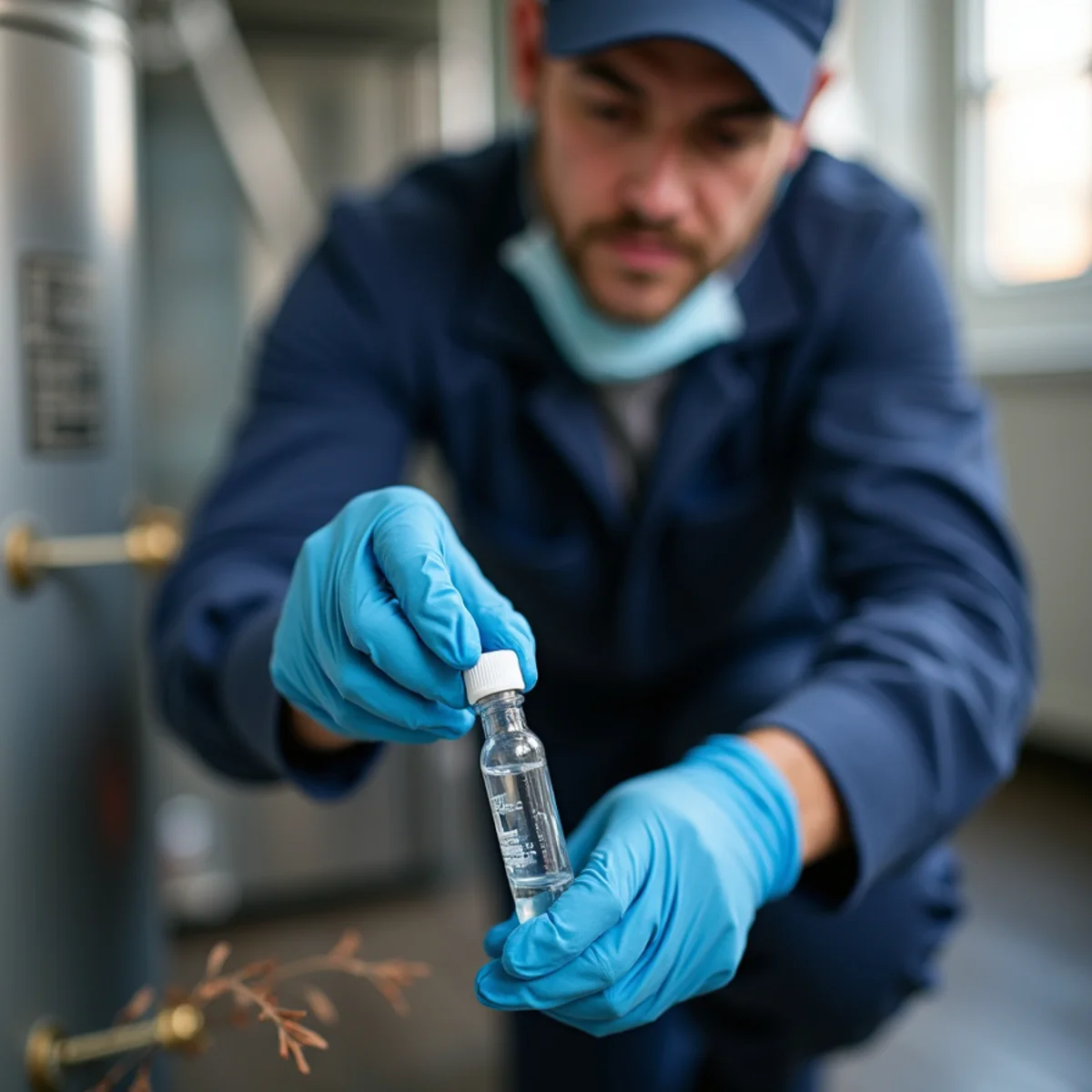
Hard water and mineral buildup contribute to scale accumulation inside boiler components, reducing efficiency and accelerating wear over time. If your area has notably hard water, a water treatment or softening system can meaningfully extend equipment life, and is worth discussing during your annual inspection.
6. Do Not Ignore Small Leaks
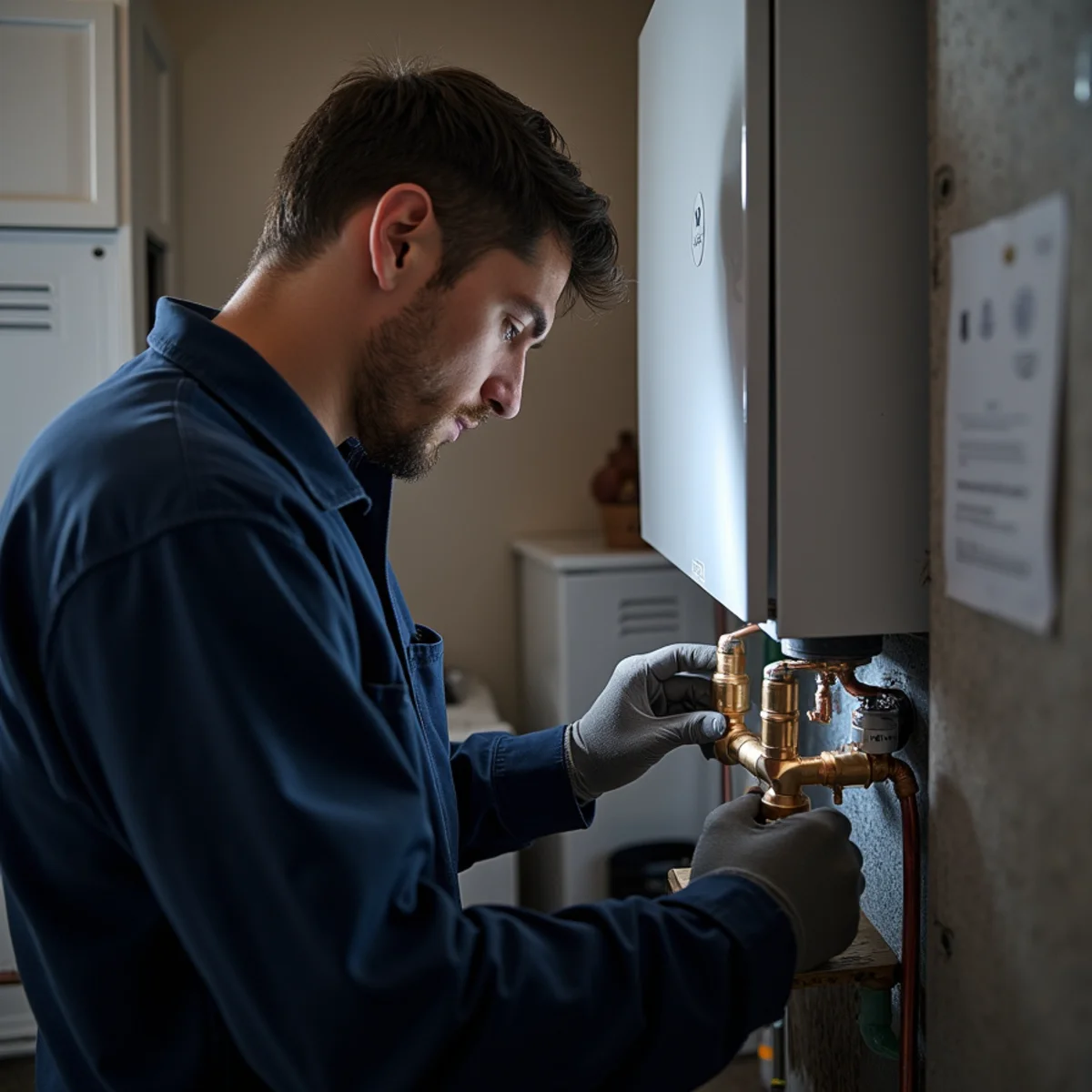
A small leak rarely stays small. Beyond the direct water loss, leaks lower system pressure and can lead to corrosion in surrounding components. Address any leak — even a minor drip — promptly rather than waiting for it to worsen.
7. Replace Worn Components Proactively
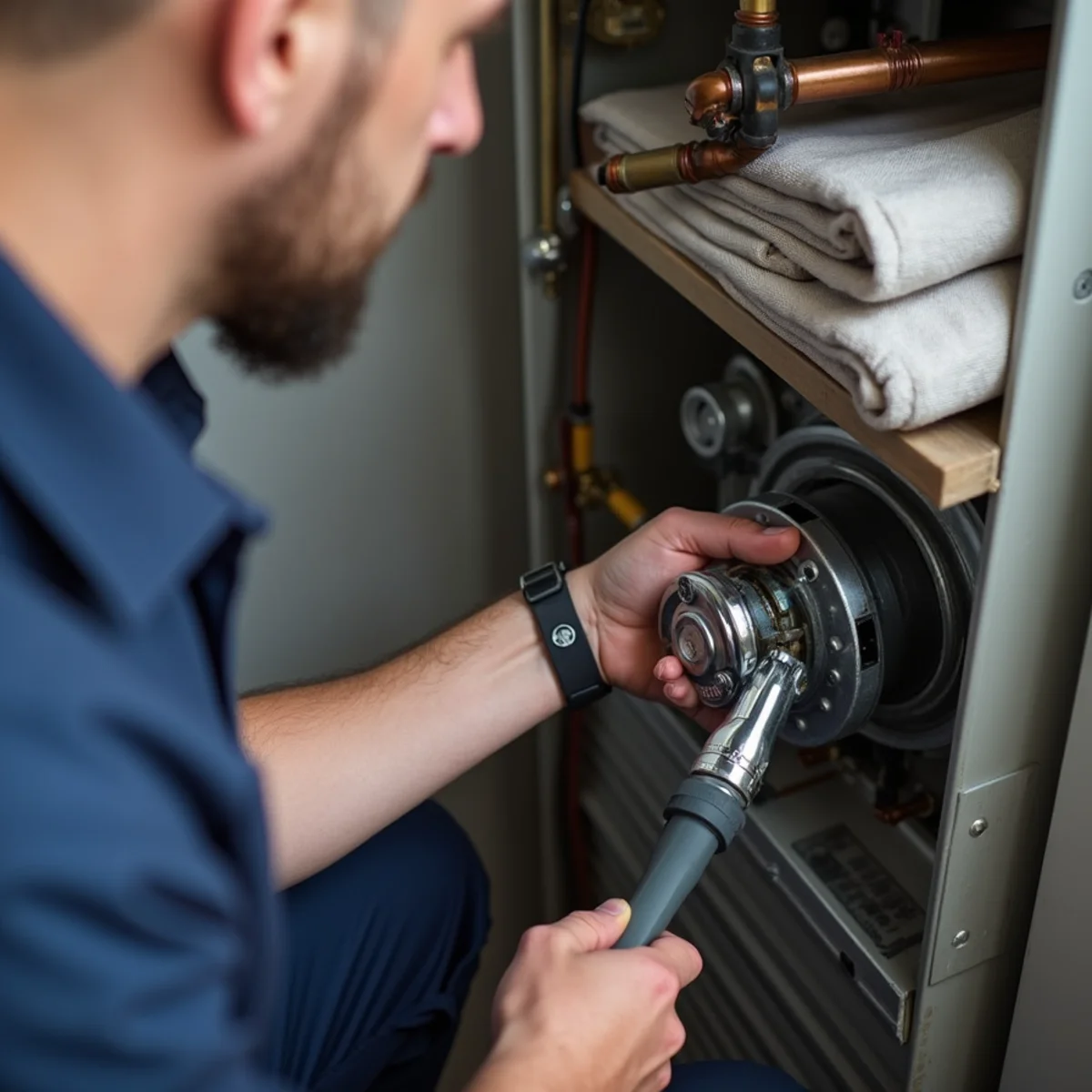
Circulator pumps, zone valves, and control components have finite lifespans. Replacing a clearly aging component during a scheduled maintenance visit, before it fails completely, avoids the emergency-repair premium and the risk of a mid-winter no-heat situation.
8. Avoid Extreme Short-Cycling
Frequent on-and-off cycling puts more wear on ignition components and the boiler's overall mechanical systems than steady operation does. If your system short-cycles, it is often a sign of an underlying issue — improper sizing, a thermostat problem, or a control fault — worth diagnosing rather than tolerating.
9. Insulate Distribution Piping
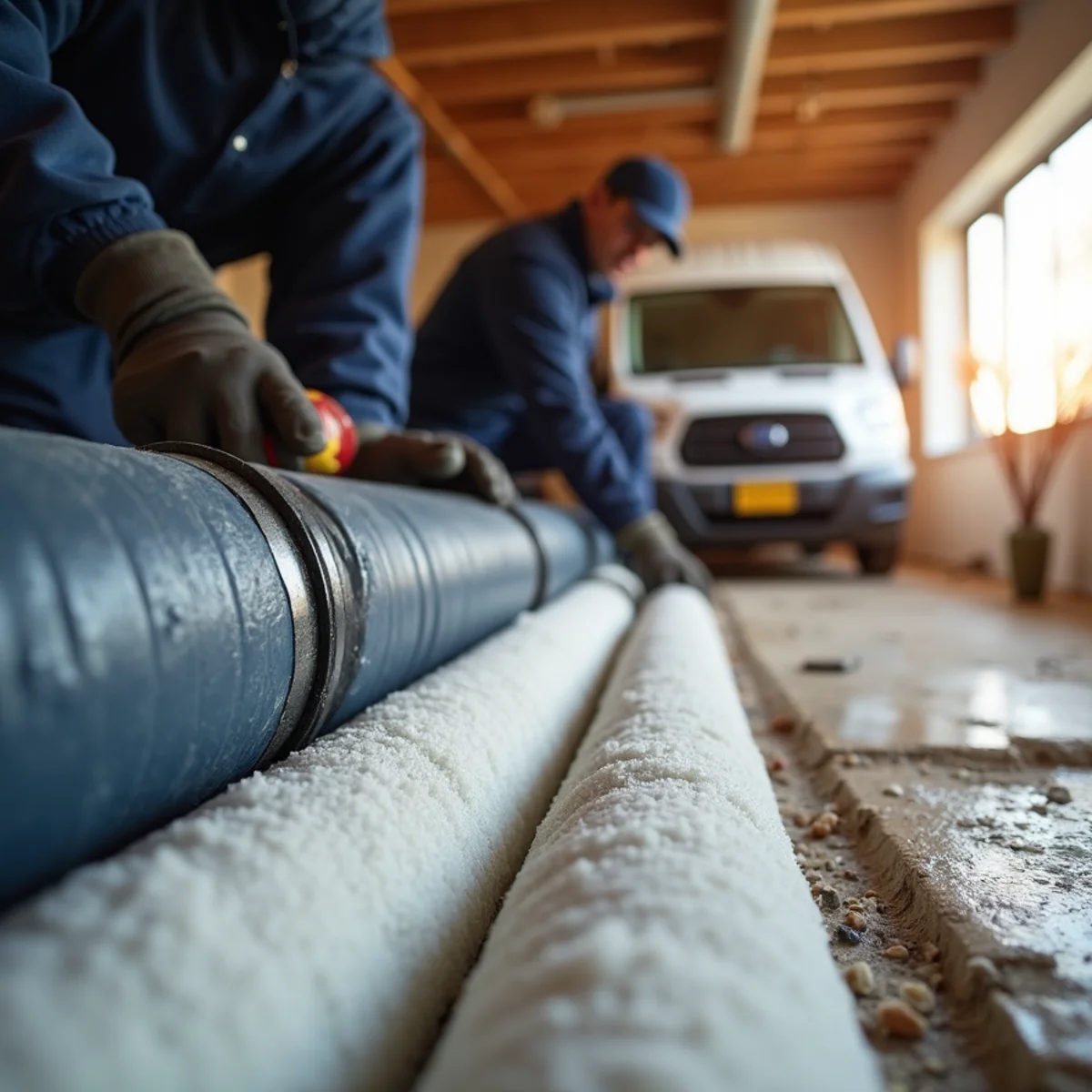
Poorly insulated piping loses heat before it reaches radiators, forcing the boiler to run longer to achieve the same result. Insulating exposed piping, especially in basements, is a relatively low-cost upgrade that reduces both wear and fuel consumption.
10. Know When a Repair Is a Warning Sign
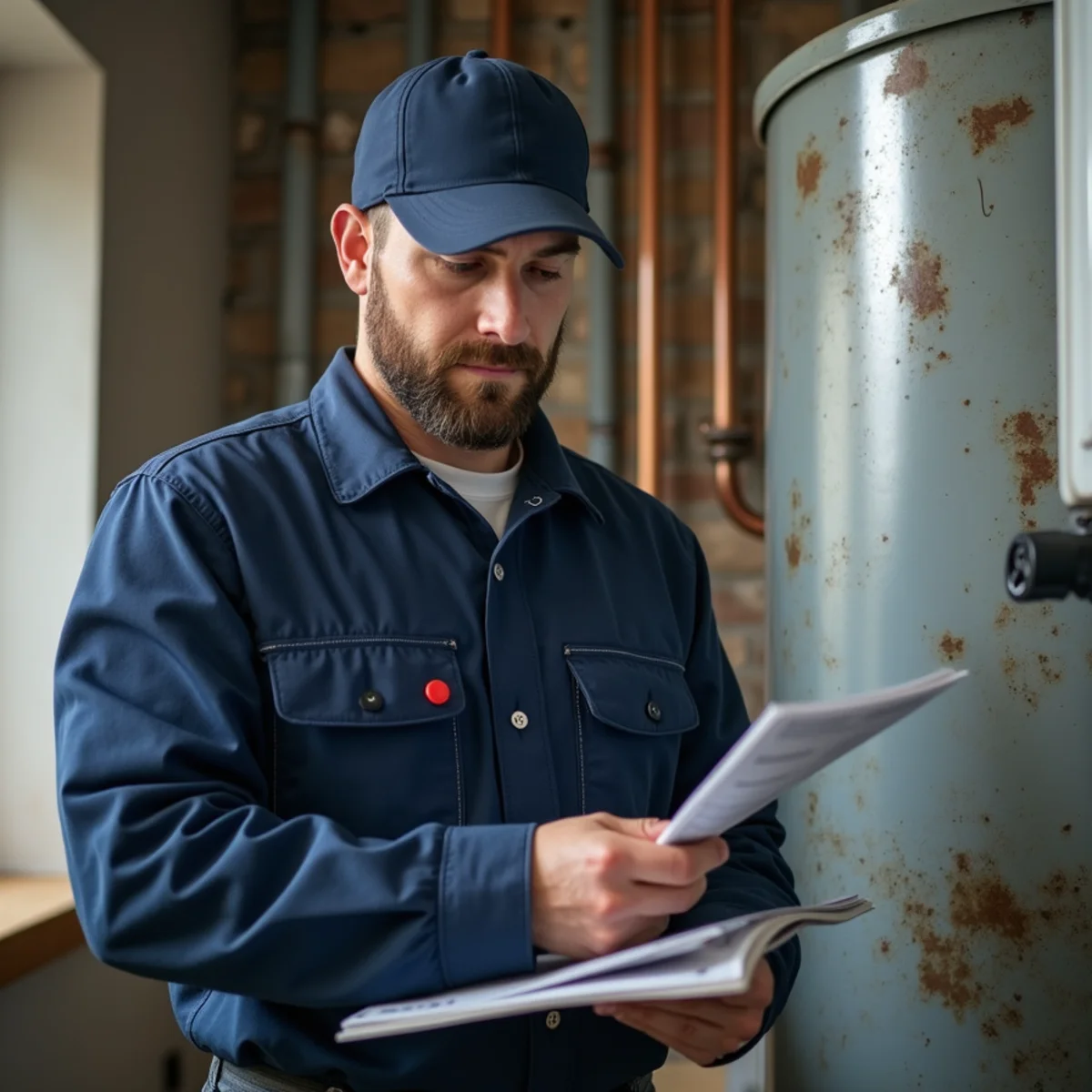
Not every repair is created equal. A worn igniter is routine; a cracked heat exchanger or repeated major failures within a short span are signs the system is nearing the end of its viable life, and continuing to repair it may cost more over time than planning a replacement on your own schedule.
| Maintenance Level | Typical Lifespan |
|---|---|
| Minimal/reactive maintenance only | Often 12-18 years |
| Consistent annual professional maintenance | Often 20-30+ years |
| Annual maintenance plus proactive component replacement | Can extend well beyond 30 years in many cases |
Putting It All Together
None of these ten habits is individually dramatic, but together they compound over years into a meaningfully longer-lasting, more reliable, and more efficient boiler. Most of them cost little to nothing beyond the annual service visit itself.
Signs You Are Doing It Right
It helps to know what a well-maintained boiler actually looks like in practice, so you can gauge whether your current approach is working. A healthy, well-cared-for boiler generally runs quietly with consistent cycling, maintains steady pressure between service visits, produces even heat throughout the building without long warm-up delays, and needs only minor, predictable repairs at each annual inspection rather than surprise major failures.
If your system is instead needing repairs more than once or twice between scheduled maintenance visits, or if pressure and performance seem to drift noticeably between visits, that is worth flagging to your technician directly — it often means one of the ten habits above needs more attention, or the system is starting to show its age in ways worth planning around rather than reacting to.
Track your own simple history too: dates of service, any repairs made, and how the system has performed each winter. That record becomes genuinely useful when you eventually have the repair-versus-replace conversation, giving both you and your technician real data instead of guesswork about how the boiler has actually held up over time.
If your Yonkers-area boiler has not had a professional inspection in the last year, that is the single best place to start. J&S HVAC Expert Inc. provides thorough boiler-services maintenance and honest repair-versus-replace guidance across the metro. Call (831) 461-3437 to schedule your inspection and start extending your boiler's useful life today.
In Pictures
Have a heating or cooling problem in the NYC metro?
J&S HVAC Expert is a licensed, bilingual HVAC contractor serving Queens and the surrounding area 24/7. Call for fast, honest service.
(831) 461-3437