
Problem-Solving
Why Is My AC Not Cooling in My Queens Home?
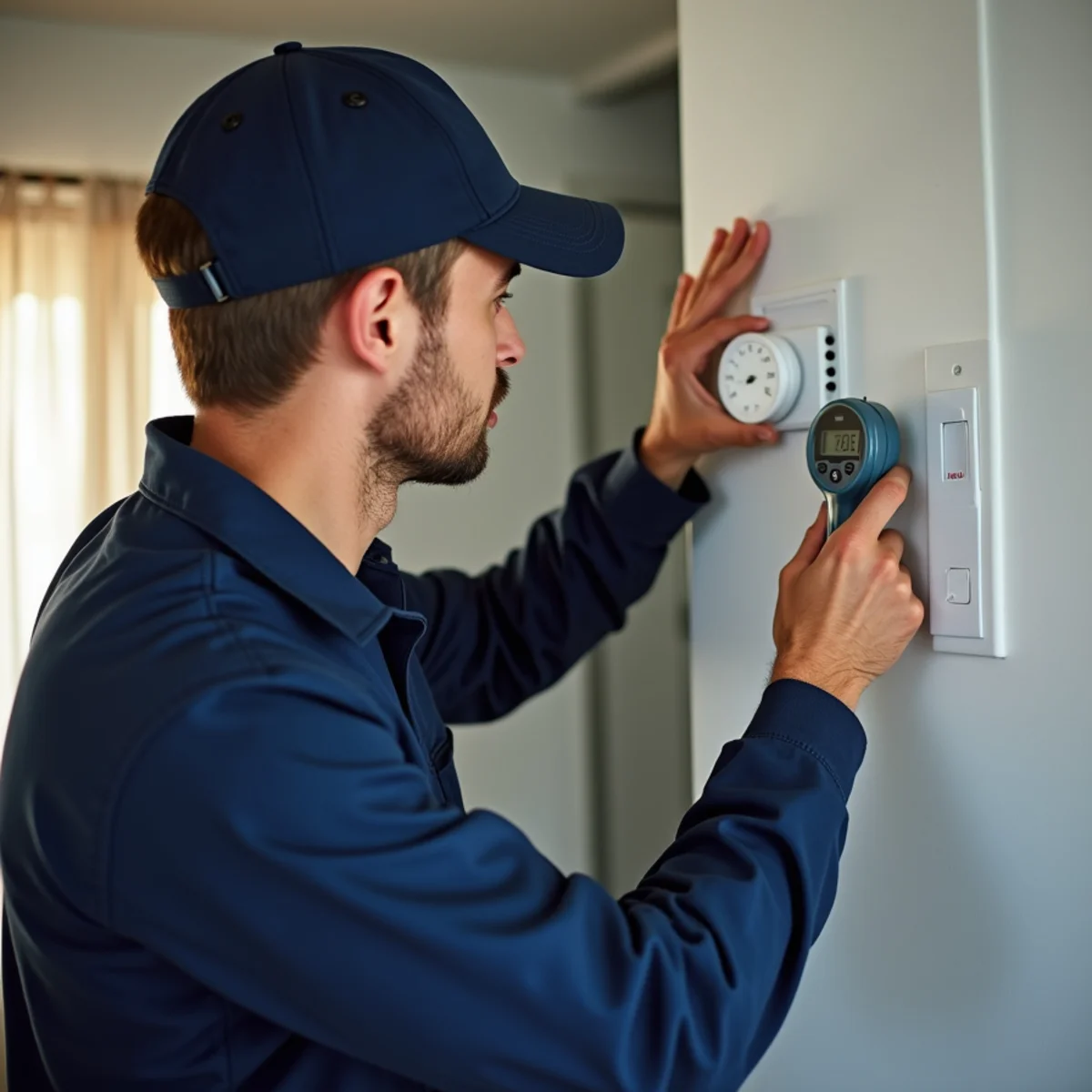
There is a specific kind of frustration that comes with an AC system that is clearly running — you can hear it, the vents have some airflow — but the house just will not cool down. This is one of the most common calls we get across Queens, and the causes fall into a fairly predictable list.
Before you assume the worst, it is worth understanding what typically causes this so you know what a technician should be checking and roughly what to expect for the fix.
Start With the Simple Stuff
- Check your thermostat is set to "cool" and the temperature is actually below current room temperature.
- Replace the air filter if it has not been changed in the last one to three months — a clogged filter is one of the single most common causes of weak cooling.
- Make sure all interior vents are open and not blocked by furniture or rugs.
- Check the outdoor condenser unit for visible debris, overgrown plants, or blockage restricting airflow.
Common Causes, Ranked by Frequency
1. Dirty Air Filter or Coils
A clogged filter restricts airflow across the indoor coil, which reduces cooling capacity and can eventually cause the coil to freeze — which makes the problem worse and turns a simple fix into a bigger one. This is the most common and most preventable cause we see.
2. Low Refrigerant
If refrigerant has leaked from the system — a slow leak at a fitting or coil is common in older systems — the AC cannot absorb heat effectively, leading to weak cooling and often ice buildup on the indoor coil. This requires a certified technician to locate the leak and recharge the system correctly under EPA Section 608 regulations.
3. Failing Capacitor or Compressor Issues
The compressor is the heart of the system, and it relies on capacitors to start and run correctly. A weakening capacitor can cause the compressor to run inefficiently or short-cycle, meaning the system runs constantly without ever really catching up on cooling.
4. Undersized or Mismatched System
Sometimes the AC is simply not sized correctly for the space — this shows up especially after a renovation, addition, or in homes where a previous owner installed budget equipment. An undersized system will run nonstop on hot days and still lose ground.
5. Ductwork Issues
Leaky, disconnected, or poorly insulated ductwork — common in older Queens homes with additions or attic conversions — can lose a significant portion of cooled air before it ever reaches your living space.
| Symptom | Likely Cause |
|---|---|
| Weak airflow from all vents | Dirty filter or duct restriction |
| Ice visible on indoor unit or lines | Low refrigerant or airflow restriction — turn off and let thaw |
| Runs constantly, never reaches set temp | Undersized system, low refrigerant, or ductwork loss |
| Cools some rooms but not others | Ductwork imbalance or zoning issue |
| Short cycles on and off rapidly | Capacitor or electrical issue |
What a Professional Diagnosis Involves
- Measure the temperature differential between return and supply air to quantify how much cooling is actually happening.
- Check refrigerant levels and pressures against manufacturer specifications.
- Inspect electrical components, including capacitors and contactors, for wear.
- Evaluate airflow through the filter, coil, and ductwork for restrictions.
- Confirm the system is correctly sized for the space, especially if the home has been modified since installation.
When It's an Emergency vs. a Standard Repair
If your AC has completely stopped during extreme heat, especially with vulnerable household members present, that is an emergency-ac-repair situation and worth calling our 24/7 line. If it is running but underperforming in moderate weather, a standard ac-repair appointment is appropriate — though it is worth booking before the next heat wave stresses the system further.
Why Queens Homes See This Often
Queens has a huge range of housing stock — post-war attached homes, older detached houses, and newer construction — often with ductwork and equipment that has been added to or modified over decades. That variability is exactly why an in-person diagnosis matters more than guessing from a symptom list alone.
How to Prevent This Next Summer
Most of the causes above share a common thread: they build up gradually and become obvious only once the system is under real summer load. A spring tune-up, before the first real heat wave, catches a dirty coil, a weakening capacitor, or a slow refrigerant leak while it is still an inexpensive fix rather than a mid-July emergency.
- Book a professional inspection each spring, before demand for AC service peaks.
- Replace filters on a consistent schedule throughout the cooling season, not just once a year.
- Keep the outdoor condenser clear of overgrown landscaping and debris.
- Address weak cooling the first time you notice it, rather than waiting to see if it improves on its own.
- Ask your technician for a load calculation if your home has been renovated or expanded since the system was installed.
Booking early also means you are not competing with every other homeowner in Queens who waited until the first 90-degree day to call — spring appointments are simply easier to schedule than emergency ones in the middle of a heat wave.
If your Queens home's AC is running nonstop without actually cooling, do not wait for it to fail completely. Call J&S HVAC Expert Inc. at (831) 461-3437 for a proper diagnosis — we will tell you exactly what is wrong and what it will cost to fix before any work begins.
Have a heating or cooling problem in the NYC metro?
J&S HVAC Expert is a licensed, bilingual HVAC contractor serving Queens and the surrounding area 24/7. Call for fast, honest service.
(831) 461-3437