
Emergency
AC Died in a Heat Wave? Emergency Steps for NYC Homes
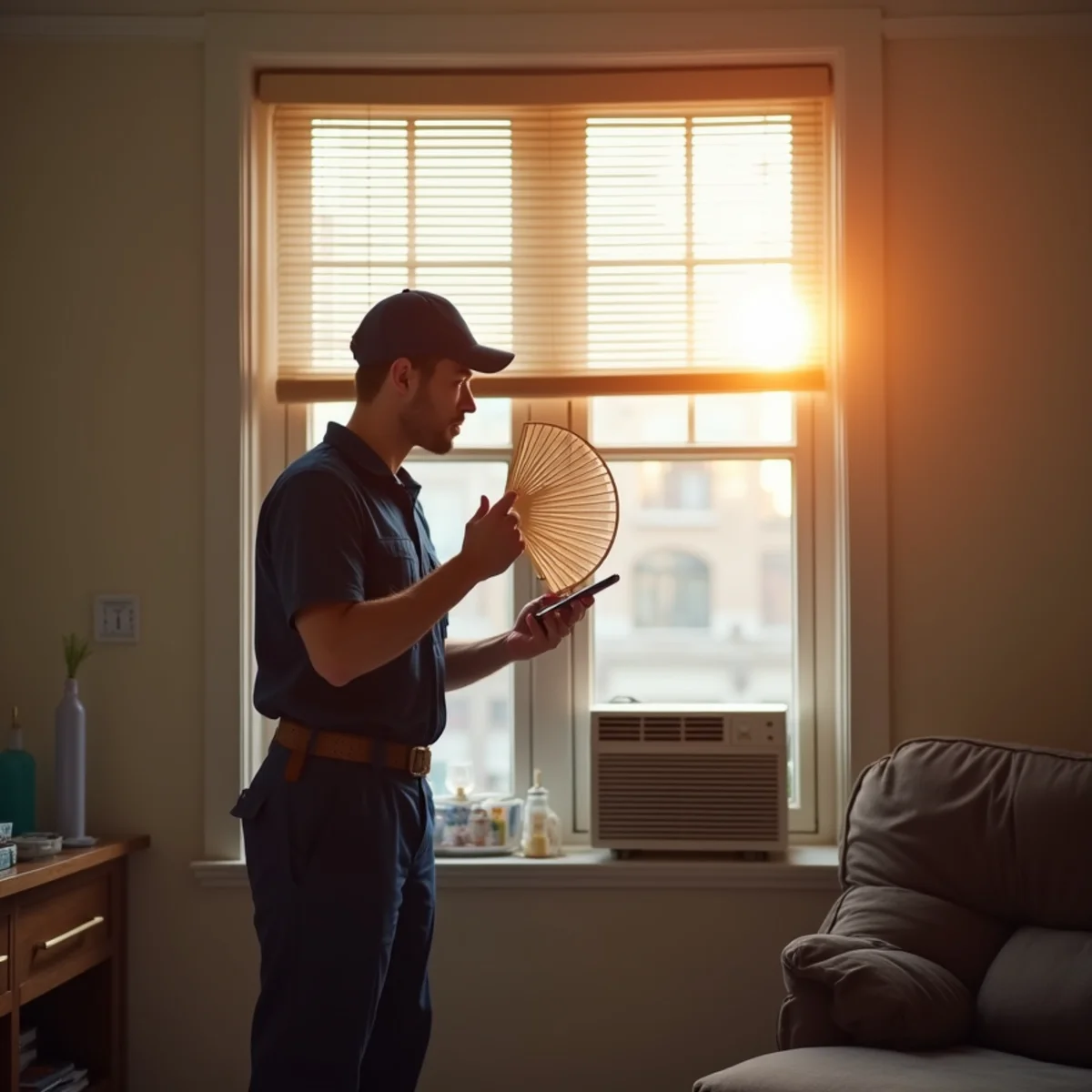
New York summers do not ease in gradually anymore — they arrive as multi-day heat waves with heat index values that make an AC failure genuinely dangerous, not just uncomfortable. If your system has stopped cooling during one of these stretches, what you do in the first hour matters.
We run a dedicated emergency AC repair line for exactly this scenario, because heat waves do not respect business hours and every summer we get a surge of calls the moment temperatures cross into the 90s. Here is how to handle it safely while help is on the way.
Step One: Basic Safety Check
Before assuming the worst, run through a few checks that take less than five minutes and occasionally solve the problem outright.
- Check your thermostat's batteries and display — a dead thermostat can look identical to a dead AC system.
- Check your electrical panel for a tripped breaker; AC compressors draw heavy current and can trip a breaker without any other warning sign.
- Look at the outdoor condenser unit for obvious blockage — leaves, debris, or a fence panel too close to the unit can restrict airflow.
- Check that vents inside are open and unobstructed, and that the air filter is not so clogged it is choking airflow.
Step Two: Protect Vulnerable Household Members
While you wait for a technician, treat this like a heat-safety situation, not just an appliance inconvenience. Infants, older adults, and anyone with a respiratory or cardiac condition are at real risk during extended indoor heat exposure.
- Move to the coolest room in the home, ideally with good cross-ventilation or a working window unit or fan.
- Stay hydrated and avoid heavy meals or alcohol, which increase heat stress on the body.
- Use damp cloths on the neck and wrists to cool down quickly if someone feels overheated.
- If anyone shows signs of heat exhaustion — dizziness, nausea, confusion, rapid pulse — treat it as a medical emergency and call 911.
- Consider a short trip to an air-conditioned public space (library, mall, community cooling center) if the wait for repair will be long and conditions are severe.
Step Three: Call for Emergency AC Repair
When you call, be ready to describe what you observed — is the system running but not cooling, or not turning on at all? Is there ice on the indoor coil or outdoor lines? Any unusual noise or burning smell? That information helps our dispatcher prioritize genuinely dangerous situations and helps the technician arrive with likely parts already on the truck.
What Usually Causes AC Failure During a Heat Wave
Ironically, the hottest days are when AC systems are most likely to fail, because they are running at maximum load for extended hours with little rest. A system that was marginal in June can finally give out in a July heat wave.
| Symptom | Likely Cause |
|---|---|
| Runs constantly, weak cooling | Low refrigerant, dirty coils, or undersized system for the load |
| Won't turn on at all | Tripped breaker, capacitor failure, or thermostat issue |
| Ice on indoor coil or lines | Restricted airflow or low refrigerant — turn the system off to let it thaw |
| Cycles on and off rapidly | Electrical issue, clogged filter, or failing compressor |
| Water pooling near indoor unit | Clogged condensate drain line — common and usually a quick fix |
Should You Try to DIY the Fix?
A few things are safe for homeowners to try — replacing a filter, resetting a breaker once, or clearing debris from around the outdoor unit. Beyond that, resist the urge to open electrical panels or refrigerant lines yourself. Refrigerant handling in particular is federally regulated under EPA Section 608, and only certified technicians are legally permitted to service sealed refrigerant systems.
If Repair Isn't Enough
Sometimes a heat-wave failure reveals that a system is simply at the end of its life, especially units 12-15+ years old running on older refrigerants. In those cases we will always tell you honestly whether a repair makes financial sense versus planning an ac-installation for the following season, rather than repeatedly patching a system that keeps failing at the worst possible time.
Why NYC Apartments and Row Houses Are Especially Vulnerable
Dense urban buildings, especially older pre-war stock across Manhattan and the boroughs, retain heat far longer than suburban homes and often lack the insulation or airflow to cool down naturally overnight. That is part of why an AC failure in the city during a heat wave escalates faster than the same failure in a single-family home with more natural ventilation.
Preventing the Next Heat-Wave Failure
The best time to address a system that is marginal is before the first real heat wave of the season, not during it. A pre-summer tune-up — ideally scheduled in spring, well before temperatures climb — catches weak capacitors, low refrigerant, and dirty coils while they are still inexpensive, routine fixes rather than emergency failures at the worst possible moment.
- Schedule a professional AC inspection each spring before the first sustained heat wave.
- Replace filters on a consistent one-to-three-month schedule throughout cooling season.
- Keep the outdoor condenser clear of plants, debris, and mulch buildup year-round.
- Address any unusual noise or reduced cooling performance immediately rather than waiting for it to worsen.
- Consider a system age assessment if your AC is 12+ years old, so a heat-wave failure does not force a rushed replacement decision.
Do not wait out a heat wave with a broken AC hoping it resolves itself. J&S HVAC Expert Inc. runs 24/7 emergency AC repair across Manhattan and the NYC metro, bilingual and fully licensed. Call (831) 461-3437 the moment your system stops keeping up — we would rather get there fast than have you tough it out.
Have a heating or cooling problem in the NYC metro?
J&S HVAC Expert is a licensed, bilingual HVAC contractor serving Queens and the surrounding area 24/7. Call for fast, honest service.
(831) 461-3437