Problem-Solving
How Often Should You Service Your HVAC in New York?
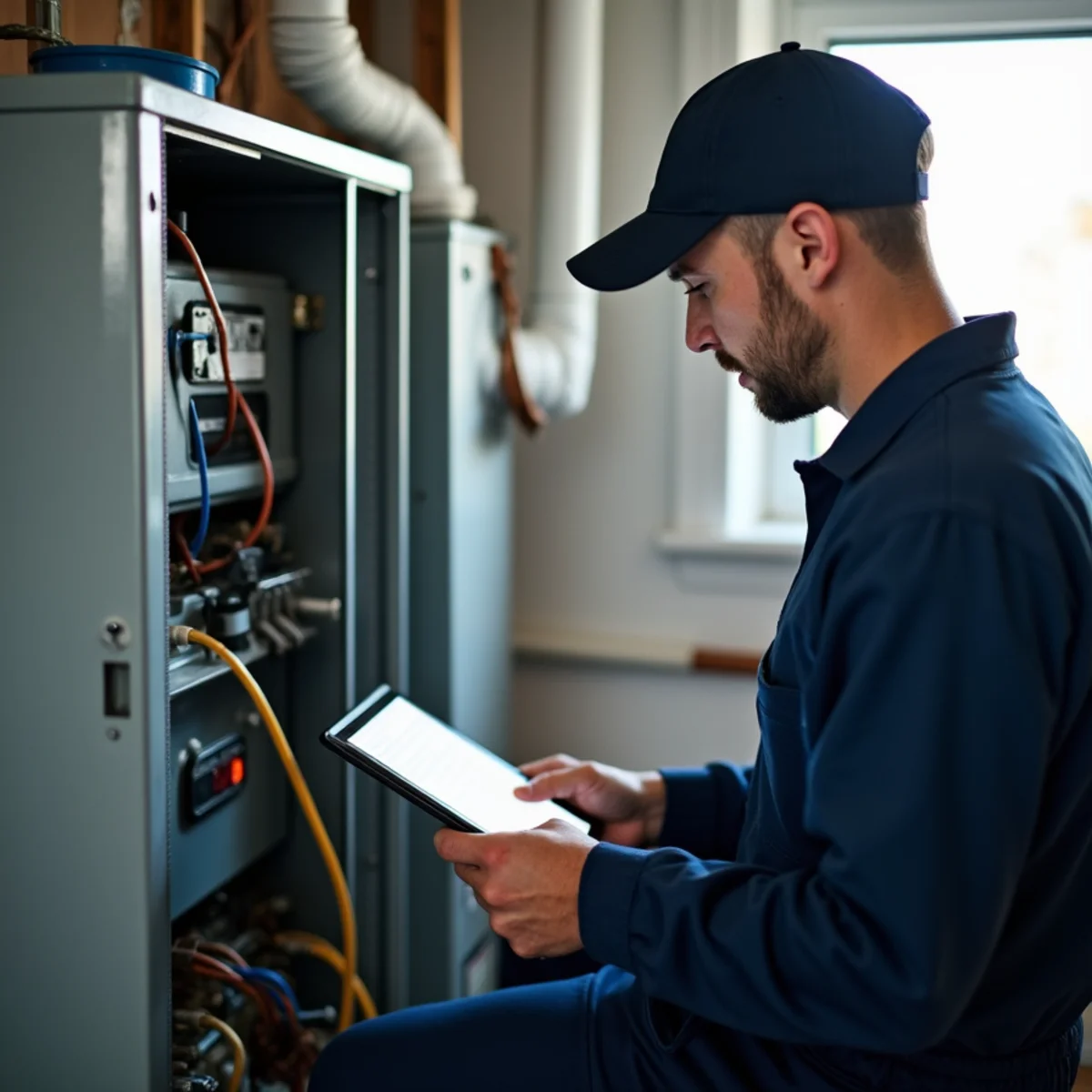
"How often do I really need to have my HVAC serviced?" is one of the most common questions we get, and the honest answer depends on your system type, its age, and New York's genuinely demanding climate — but there is a solid baseline schedule that works for the vast majority of homes and buildings in our service area.
Skipping maintenance does not save money — it just moves the cost from a scheduled, inexpensive visit to an unscheduled, expensive emergency repair later. Here is the realistic schedule we recommend.
The Baseline: Twice a Year, Minimum
For most homes with both heating and cooling systems, twice-yearly service — once in fall before heating season and once in spring before cooling season — is the standard recommendation from manufacturers and independent HVAC professionals alike. This timing lets a technician catch problems before the season that actually stresses the equipment.
| System Type | Recommended Frequency |
|---|---|
| Furnace / gas heating | Annually, in fall |
| Boiler (steam or hydronic) | Annually, in fall |
| Central AC / heat pump | Annually, in spring |
| Ductless mini-split | Annually, plus filter cleaning every 1-2 months |
| PTAC units | Annually, before each season transition |
| Commercial rooftop units | Quarterly, per most manufacturer warranty terms |
Why New York's Climate Specifically Demands This
Systems here work harder than in milder climates — genuinely cold winters push heating systems to near-constant operation for months, and increasingly common summer heat waves put sustained heavy load on AC systems. That level of use accelerates wear on components like igniters, capacitors, and belts, which is exactly why the standard national maintenance guidance holds especially true here.
What a Proper Maintenance Visit Actually Includes
Heating System Visit (Fall)
- Inspect and clean burners, igniters, and heat exchangers.
- Test safety controls, including pressure relief and low-water cutoff on boilers.
- Check thermostat calibration and system response.
- Inspect venting and combustion for proper, safe operation.
- Lubricate moving parts and check electrical connections for wear.
Cooling System Visit (Spring)
- Check refrigerant levels and pressures against manufacturer specs.
- Clean condenser and evaporator coils for maximum efficiency.
- Test capacitors, contactors, and overall electrical health.
- Inspect and clear the condensate drain line.
- Replace or clean filters and confirm proper airflow.
More Frequent Maintenance for Certain Systems
Commercial buildings, particularly those with rooftop units, often benefit from quarterly checks rather than twice-yearly, both because manufacturer warranties frequently require it and because commercial systems run longer hours under heavier load. We cover this in more depth as part of our commercial-hvac and rooftop-hvac programs for property managers.
What Skipping Maintenance Actually Costs
We regularly see the same pattern: a homeowner skips a couple years of maintenance, then calls us for an emergency repair that maintenance would have caught early and cheaply. A worn igniter caught in a fall inspection might cost a fraction of an emergency boiler repair at 2 a.m. in January when the same igniter finally fails completely.
Signs Your System Needs Service Sooner Than Scheduled
- Unusual noises — banging, grinding, squealing — that were not present before.
- Noticeably higher utility bills without a change in usage habits.
- Uneven heating or cooling between rooms.
- Frequent cycling on and off.
- Any burning smell, which should prompt an immediate call, not a wait-and-see approach.
Setting Up a Maintenance Routine That Actually Happens
The biggest barrier to consistent maintenance is not cost, it is forgetting. We recommend booking your fall and spring visits as standing appointments rather than waiting to remember, and many of our Nassau County customers set up a recurring service plan for exactly this reason — one less thing to track.
What Maintenance Actually Saves You Over Time
It helps to think of maintenance cost against the alternative rather than in isolation. A routine fall or spring visit is a modest, predictable expense. Compare that to an emergency repair call — which carries higher labor rates for after-hours or weekend service — or worse, a premature full system replacement caused by years of accumulated, unaddressed wear.
| Scenario | Typical Outcome |
|---|---|
| Consistent twice-yearly maintenance | Predictable, modest cost; fewer breakdowns; longer equipment life |
| Occasional or skipped maintenance | Higher risk of mid-season failure; emergency service premiums |
| No maintenance for several years | Accelerated wear; higher chance of early full system replacement |
Choosing a Maintenance Plan vs. One-Off Visits
Some homeowners prefer booking each seasonal visit individually; others prefer a standing maintenance plan that automatically schedules both visits and often includes priority scheduling for any repairs found along the way. Either approach works, but a plan removes the risk of a season slipping by unaddressed simply because life got busy — which, honestly, is how most of the skipped-maintenance situations we see actually happen.
Whichever approach you choose, the important thing is consistency year over year, not which specific format you use to stay on schedule. A maintenance plan is simply a tool to make that consistency easier to maintain across busy households and long New York winters.
Consistent maintenance is the single cheapest way to avoid expensive HVAC surprises in New York's demanding climate. J&S HVAC Expert Inc. offers hvac-maintenance plans across Nassau County and the metro — call (831) 461-3437 to set up your fall and spring visits and stop guessing when service is actually due.
Have a heating or cooling problem in the NYC metro?
J&S HVAC Expert is a licensed, bilingual HVAC contractor serving Queens and the surrounding area 24/7. Call for fast, honest service.
(831) 461-3437